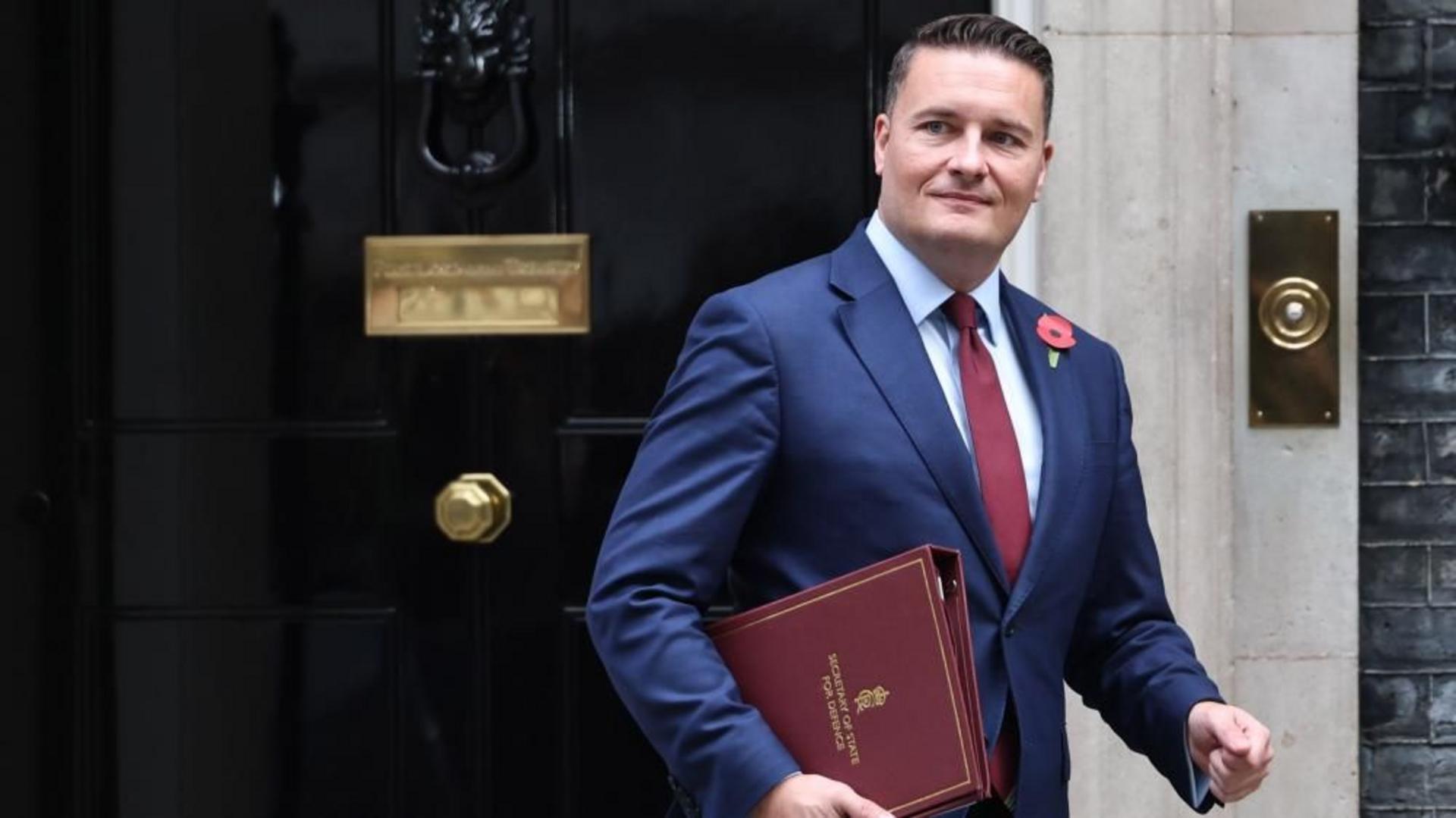
Defence Secretary Wes Streeting has denied "kicking the can down the road" over UK defence spending. The government did not set out a pathway at Wednesday's Budget to reach its target of spending 3% of GDP on defence by 2030, which drew criticism from MPs.
Tan Dhesi, Labour chair of the cross-party Commons defence committee, said key decisions had been "lamentably delayed" until next year's spending review. He warned that without building capabilities now, "we risk leaving ourselves seriously vulnerable in the event of a major conflict." Dhesi said the committee stands by its criticism and had hoped the chancellor would set out "a precise pathway to spend 3% of GDP on defence by 2030."
Streeting called Dhesi's comments "unfair" and "unfounded." He said: "I don't think the charge he makes of delaying or kicking the can down the road stacks up against the extra money that is already going into defence." He said waiting for the spending review, which has no fixed date and could come in the second half of 2027, was "the right thing to do" so ministers can look at "spending in the round." He also said: "There's no sugarcoating the fact that our Armed Forces were under-invested in for more than a decade."
Alongside Chancellor John Healey, Streeting announced an "offset strategy." Foreign firms awarded defence contracts worth more than £50m will need to invest an equal value back into the UK, on British factories, jobs and training. The Ministry of Defence will apply the rules "case-by-case" from April 2027, according to the government. The government said Poland, Norway and the Netherlands have adopted similar rules.
Defence spending is estimated at 2.6% of GDP this year. Some estimates, as reported in the article, suggest the government will need an additional £10bn a year to reach its targets. Tory leader Kemi Badenoch said Healey "failed his own test" by not setting out a "plan for 3%" in the Budget. The Budget also included a £4.7bn fix to the Defence Investment Plan, achieved by asking government departments to cut capital budgets by 1%.