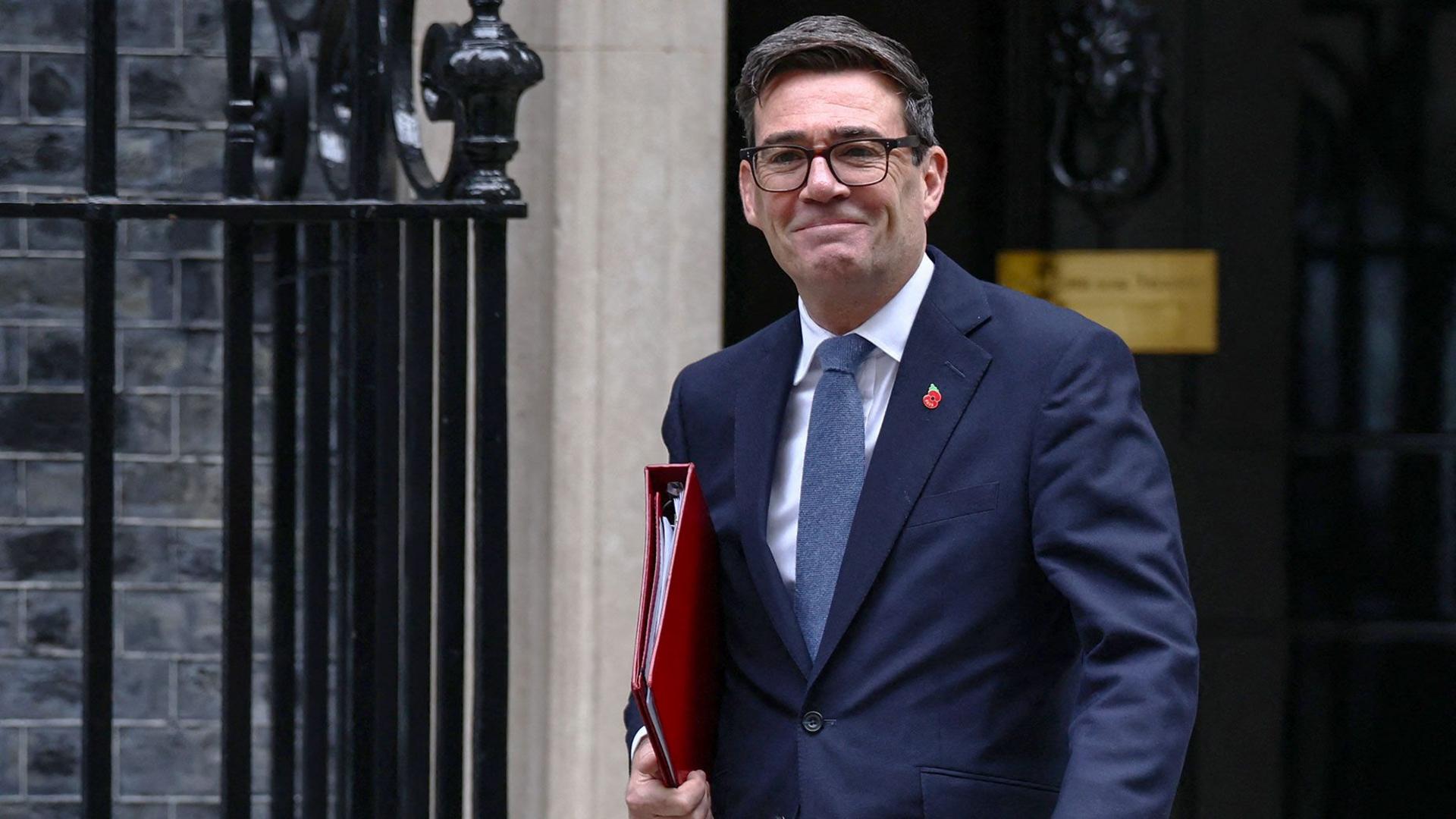
Labour MPs and opposition figures are debating whether Prime Minister Andy Burnham will call an early general election, despite his repeated denials. Burnham has said explicitly that there will be no election in the next 12 months. The election must be held by August 2029.
Several MPs argue the Budget was designed to set up an early vote. A former Labour minister said the chancellor, John Healey, had handed out "politically smart (albeit small) giveaways" while delaying tougher decisions on welfare and defence until an autumn spending review. Other commentators told the BBC that the Budget read like a pre-election programme. Measures include £100 help for many with energy bills, an extension of VAT cuts on electricity bills, and the Your First Home scheme for young buyers. Conservative leader Kemi Badenoch questioned why some of these measures will only last until the summer. The BBC reports a counter-argument that household energy pressures are less severe in summer.
The Liberal Democrats have claimed there is a 30% chance of a general election on 10 December, and have placed the party on a "snap election footing." Reform UK leader Nigel Farage has said he thinks a general election could come in May. The BBC notes that predictions of an early election are coming mostly from opposition MPs. Some Labour MPs have told staff to prepare for an election in the first half of next year.
Opponents of an early vote point to Burnham's repeated denials. One veteran Conservative MP reportedly said a change of heart would damage "Brand Burnham." The Office for Budget Responsibility describes the economic outlook as "pretty grim," with real household disposable income expected to fall and interest rates predicted to rise. Some MPs also said the Budget was too low-key to be an election Budget. Others argued that Labour could raise taxes without calling an election, and that manifesto promises are often broken.
The BBC cites two historical precedents. Gordon Brown did not call an early election in 2007 while polling well. Theresa May called a snap election in April 2017 after deciding during a walking holiday in Wales.