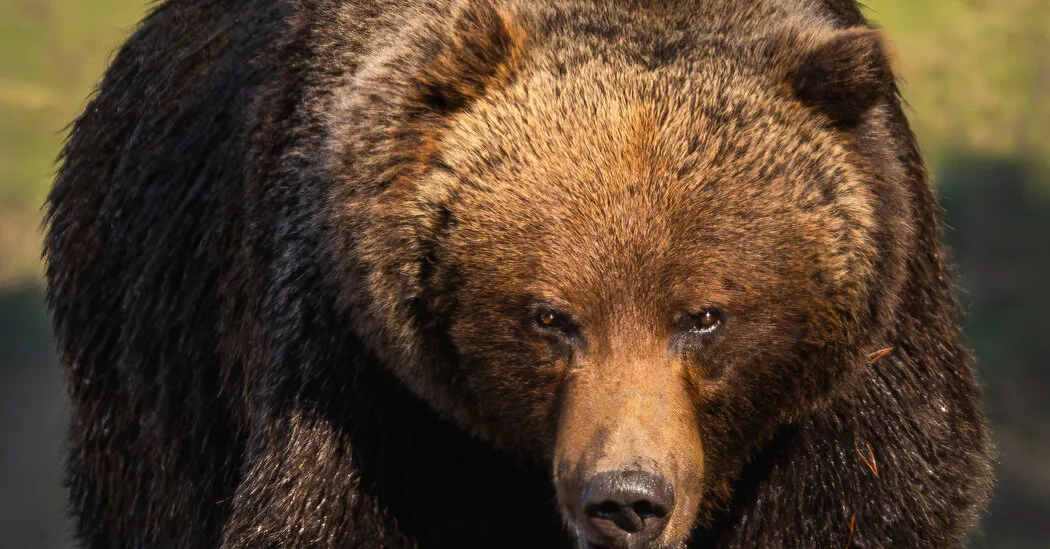
Bear 122, known to everyone in and around Banff National Park as the Boss, has survived a freight train, being hit by cars, and fights with rival bears. According to the report, some people now fear his biggest threat is his own fame. That concern deserves to be taken seriously, because the danger it describes is one that people can prevent.
The report describes a bear that has become a fixture of local life. When he walks along the Trans-Canada Highway looking for dandelions, "bear jams" follow. Galleries ship giant photos of him worldwide, his image appears on fridge magnets, T-shirts and tote bags, and a local restaurant is named for him, with a scrap metal sculpture of the bear in its main dining room. A wild animal that draws crowds to the roadside is a animal that is being shaped by human attention.
The report is also clear that few bear experts consider the Boss a threat to park visitors or residents. The risk it highlights runs the other way. Its concern is that the legions of fans his celebrity has created may endanger his life and his dominance. A bear that is photographed, followed and gathered around is more likely to be habituated to people and more likely to end up in conflicts that end badly for the animal, not the public.
The solution is not complicated, though it requires discipline. Visitors should keep their distance, stay in vehicles where the report indicates bear jams form, and resist the urge to chase a photograph. Businesses that profit from his image should consider whether their marketing encourages the behavior that puts him at risk. Park officials should treat his fame as a management problem, not a tourism asset.
Bear 122 has outlived threats most grizzlies never face. It would be a grim irony if the animal that survived a train and rival bears were undone by the crowds who admire him. Protecting the Boss means giving him room to be a wild animal, even when everyone wants a closer look.