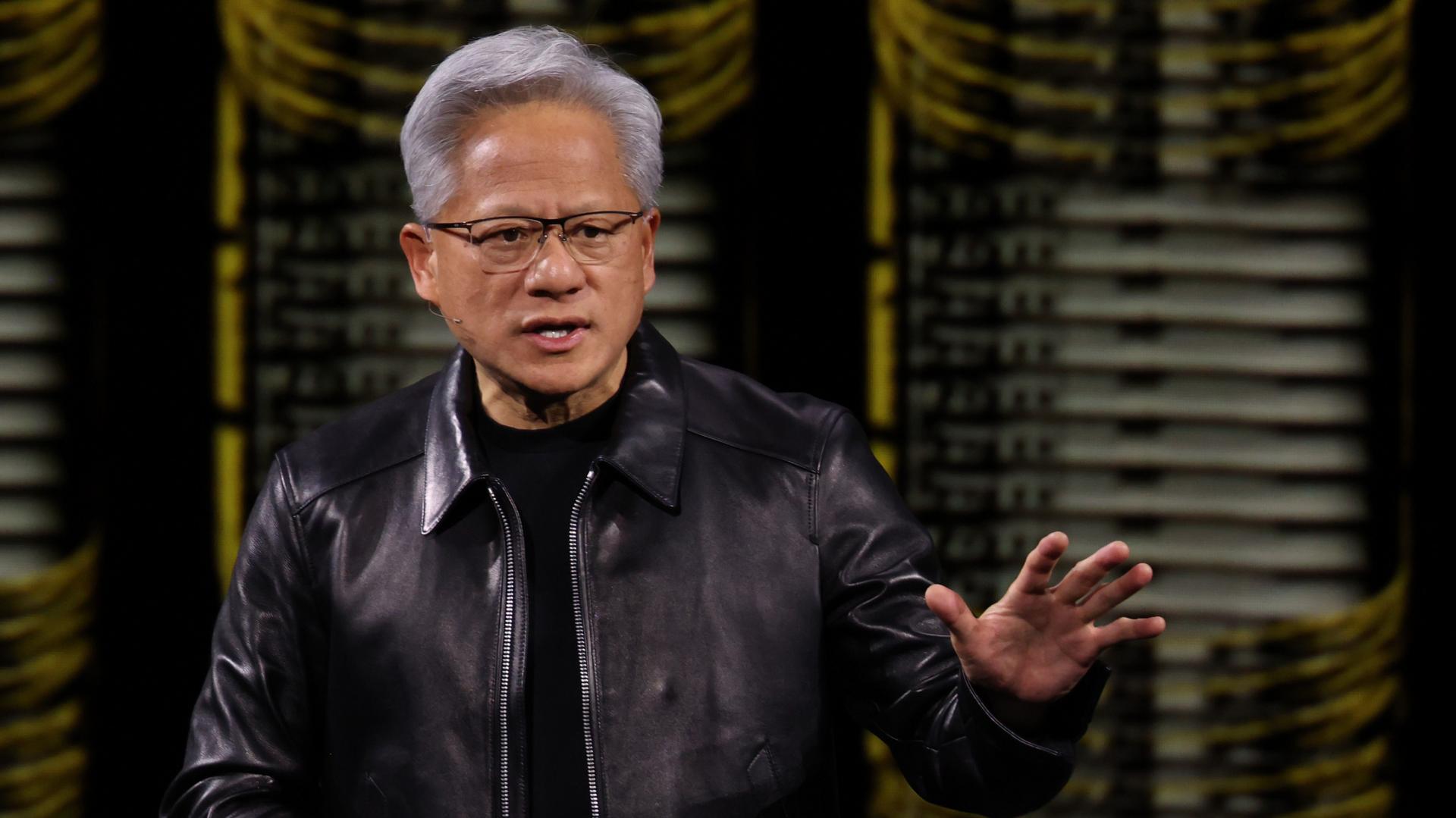
Beijing sees the Nvidia spy scandal as a growing threat to its AI ambitions ahead of the Trump-Xi meeting, the BBC reports. Former Nvidia chief executive Jensen Huang has left the company, and allegations about his affair with Chinese businesswoman Alice Huang have become a flashpoint in US-China relations.
US intelligence reports claim Alice Huang had ties to China's Ministry of State Security. The claim remains unproven. Beijing's foreign ministry called the allegations a "smear against China." Spokesperson Mao Ning said the US "should stop fabricating so-called espionage narratives."
The controversy has reignited debate in Washington over advanced chip exports. Democrats Ted Lieu and Zoe Lofgren criticized the Trump administration's approach to Nvidia. Lieu told Politico the administration had been "1,000%" too deferential to the company. Lofgren suggested Congress may be more likely to restrict AI chip sales to China. The White House has not commented, according to the BBC.
This week the Trump administration introduced export restrictions on Chinese firms that access advanced US chips in third countries such as Malaysia, Thailand and Brazil. Some of these firms are accused of smuggling chips to China, though they deny it. Beijing called the rules "economic coercion."
The state-run Global Times compared the scandal to the 2023 spy balloon incident, which strained relations and derailed a planned trip by then Secretary of State Antony Blinken. The newspaper also asked whether "someone behind the scenes" was stirring up confrontation.