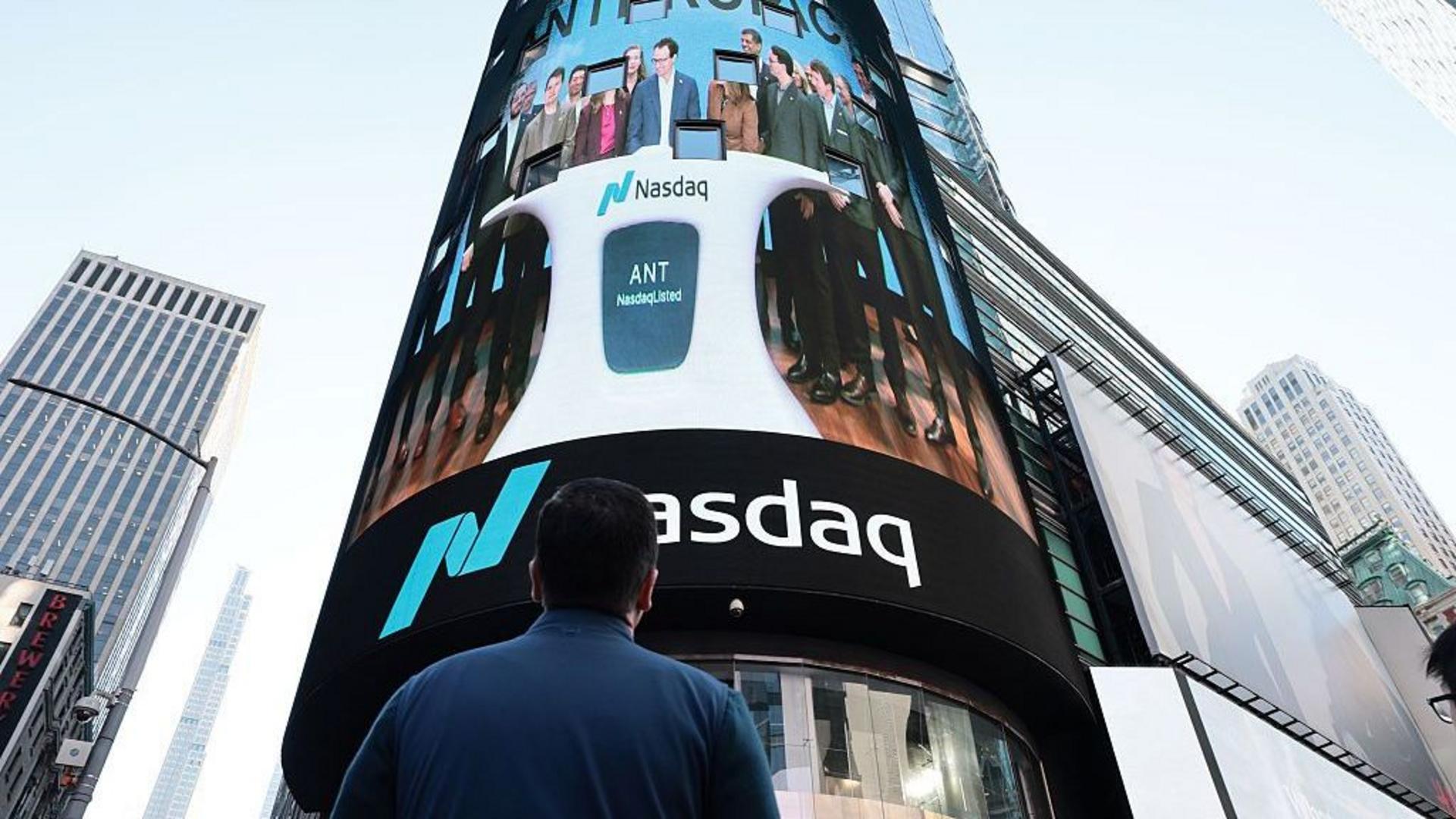
Anthropic's first day on the stock market looked like a triumph. Trading opened at $111.50 and the shares ended the day up 17% at $97.17. But the gains did not hold. On Friday the stock dropped at one point by more than 12% to about $85, close to its initial public offering price of $83, and closed down 8.5%, reversing half of Thursday's gains. A debut that felt like proof of confidence in the AI sector now looks more like a warning.
The broader market offered little comfort. The S&P 500 closed down 3.7%, the Dow Jones Industrial Average fell 1.9% and the Nasdaq Composite plunged 5.3%. The S&P 500 and the Dow were pushed into correction territory, trading 10% or more below a recent high. Investors are right to ask whether the more than $1 trillion spent in the last year by a small handful of major tech companies will pay off, and when. Those are not idle questions when the money involved is this large.
Analyst Ed Moya of AlphaSense said Anthropic's IPO did not appear to restore confidence in the broader AI market. His point deserves attention. Wall Street, he said, is shifting from rewarding growth at any price to demanding stronger cash flow and a clearer path to profitability. That is the correct demand. Companies raising money from public investors should be held to it, and the volatility of the first days of trading is a fair test of whether the valuations make sense.
Some of the sell-off also reflected company-specific problems rather than AI pessimism alone. Nvidia shares fell 13.7% after Reuters reported, a claim the BBC did not confirm, that the company was under investigation by the US Securities and Exchange Commission over its accounting practices. Shares in Tesla and SpaceX each fell more than 7.6%, with SpaceX hit after announcing a bond sale to finance what it said was the largest purchase of Nvidia chips on record. Investors should separate these signals instead of lumping every tech stock into one bet on the AI boom.
What should happen next is patience paired with scrutiny. Anthropic was the first frontier AI firm to go public and had no direct peers, so analysts were right to expect swings. Its shares may yet recover or fall further. What matters is whether the company and its rivals can show durable revenue that justifies the capital being poured in. Until they do, the AI bubble question will remain open, and a debut's first-day headline should not be mistaken for an answer.