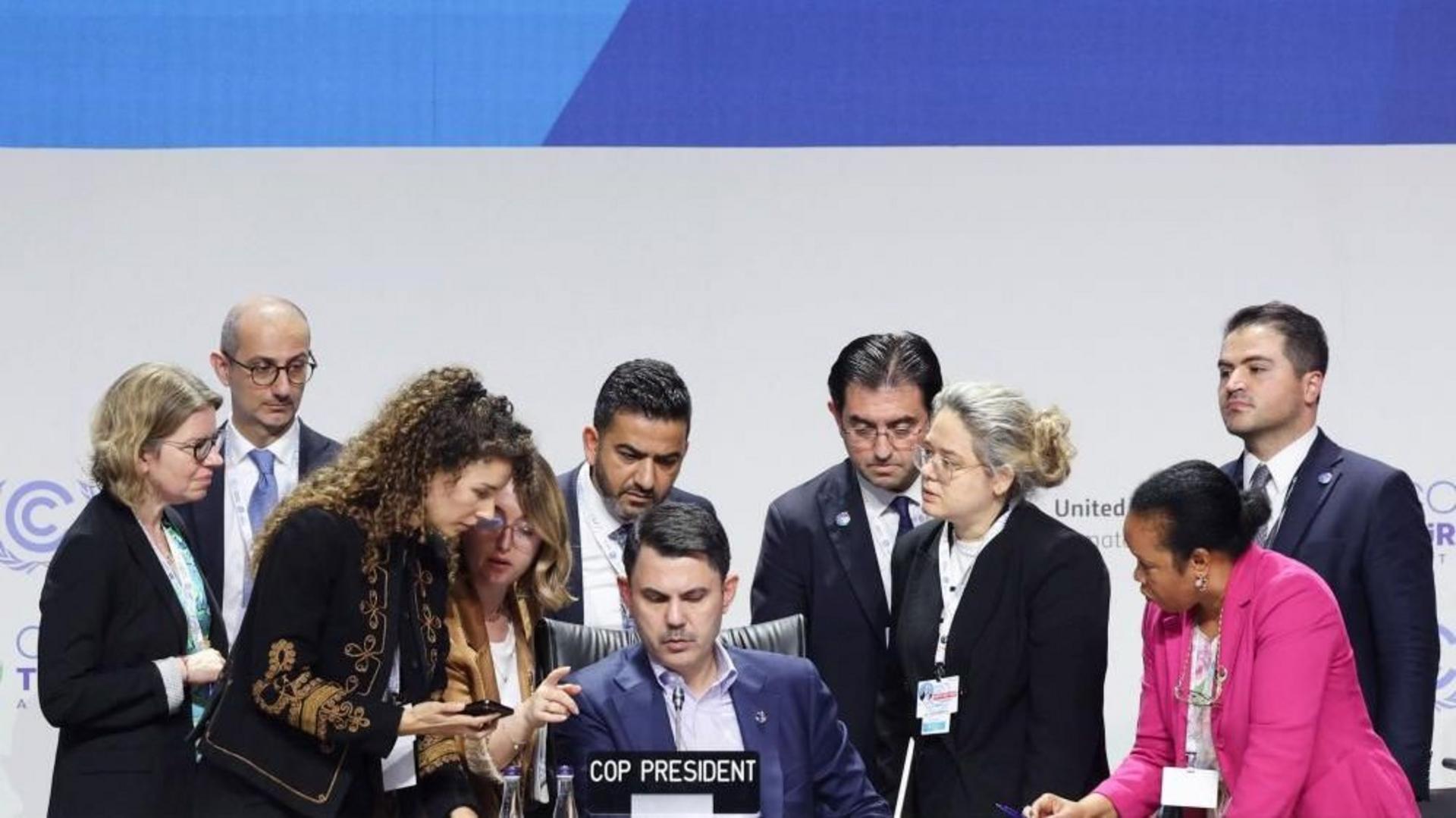
Countries failed to reach a major new climate deal at the UN COP31 talks in Turkey, after disputes over fossil fuels and money for poorer nations surfaced. The negotiations, due to end on Friday, ran until Sunday and became the longest UN climate conference on record.
The final text was rejected by the EU, Pacific island nations and others because it did not directly mention fossil fuels. The only indirect reference was a nod to a 2023 COP28 agreement to "transition away" from them in energy systems. The EU's representative, Irish Minister Darragh O'Brien, said it was "unconscionable that we would have a climate pact that makes no mention of fossil fuels." A first draft on Monday had mentioned fossil fuels six times, but oil-producing nations found that unacceptable. Saudi Arabia's delegate Mohammad Ayoub said Arab countries "continued to engage in good faith." Russia warned against "turning to slogans" on coal, oil and gas.
Many poorer countries objected to the lack of concrete financial commitments for adaptation. The text contained no figures and no baseline for the tripling of finance pledged at COP30 in Brazil. Mohamed Adow of Power Shift Africa said, "Rich nations and polluting governments cannot keep arriving empty-handed."
UN Secretary General Antonio Guterres said he was "deeply disappointed" and accused "powerful fossil fuel interests" of using "a page from Big Tobacco's playbook." Australian Prime Minister Anthony Albanese, whose country co-hosted the talks, attributed the failure to "difficult geopolitical times." Chris Bowen, Australia's minister and COP31 president of negotiations, cited "unbridgeable red lines."
Some agreements were reached. These include progress on a "just transition mechanism" to support workers and communities, and backing from more than 80 countries for Turkey's target to raise electricity's share of global energy use to 35% by 2035. UN climate chief Simon Stiell said he would seek advice on reforming the consensus-based process.