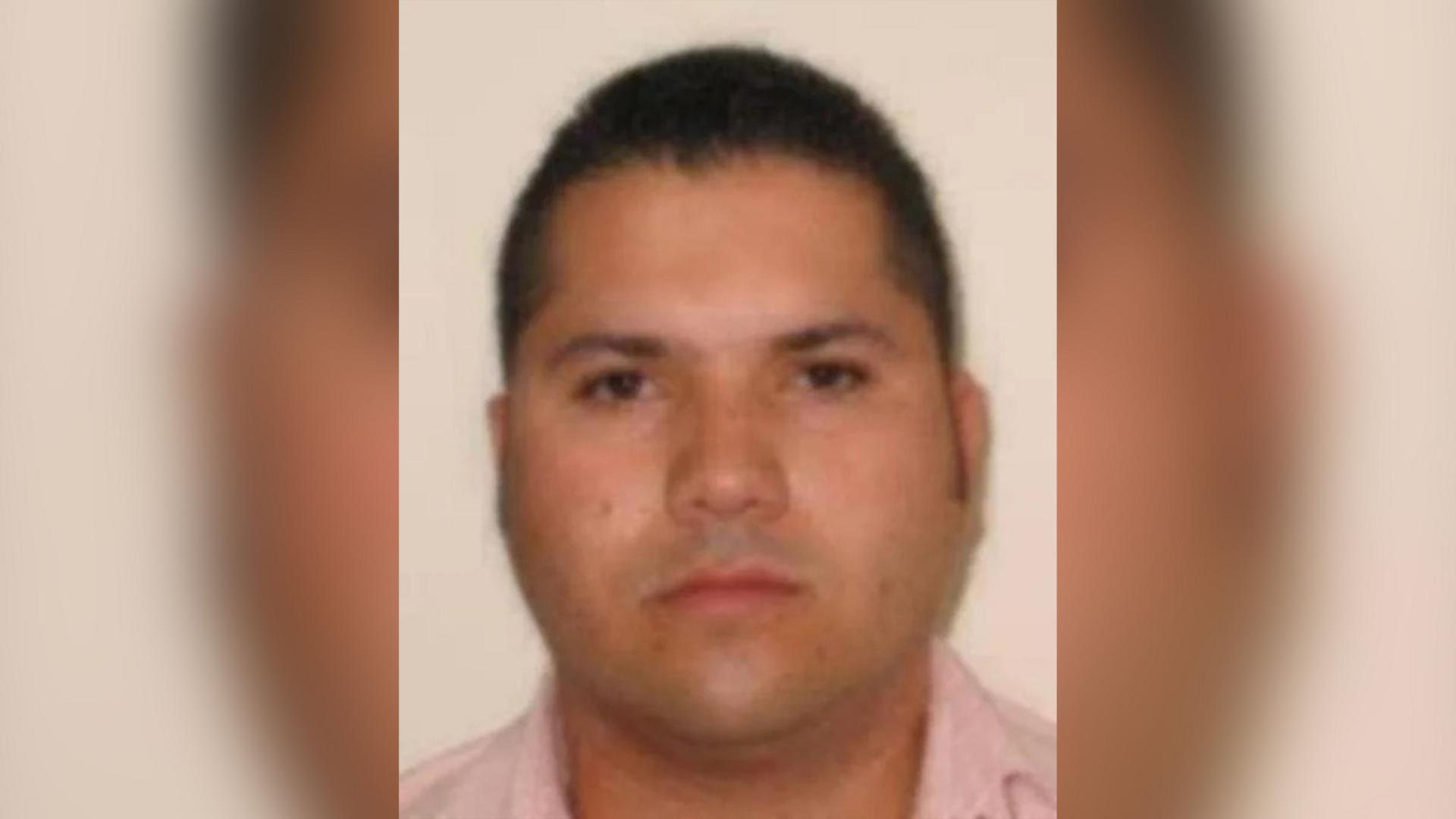
Mexican special forces detained Fausto Isidro "Chapo Isidro" Meza Flores and seven others in Guasave, Sinaloa, on Friday, ending the run of a man the FBI had placed on its 10 most wanted list in 2025. The operation was bloody. Seven suspects died, as did four members of the Mexican army who were heading to reinforce security in the town. Eight people were arrested, and Meza Flores, his cousin and his brother-in-law were flown to Mexico City to face prosecution. Those are the facts the government has offered, and they show a state willing to take real risks against a cartel.
The timing deserves scrutiny. Mexico's defence secretariat said the raid relied on US intelligence about Meza Flores's whereabouts, and the country has come under sustained pressure from President Donald Trump to act against drug trafficking. President Claudia Sheinbaum has pushed a tougher line on cartels while insisting on closer cooperation rather than US troops on Mexican soil. An arrest made with foreign intelligence, under foreign pressure, is still a Mexican arrest, and Mexico deserves credit for carrying it out. But the pattern of high-profile raids followed by quiet fading from public view is one the country has seen before.
The charges are serious. The FBI accuses Meza Flores of kidnapping, extortion and torture, and the US says he conspired to distribute cocaine, heroin, methamphetamine and marijuana between 2005 and 2019. Those allegations should be tested in court, not repeated as settled fact. What the record does show is a cartel that fought a violent turf war with the Sinaloa Cartel and that, according to Mexican authorities, was linked to 20 million fentanyl pills seized in 2024. Dismantling a leadership group matters, but cartels tend to fracture and reorganise after a single arrest.
The violence that followed is the clearest warning. The US Consulate in Hermosillo reported armed clashes, road blockades and vehicle fires overnight in several towns, and advised Americans to shelter in place. Residents of Sinaloa paid the price of this operation long before any verdict. Mexico should publish its evidence against Meza Flores, keep the prosecutions public and transparent, and invest in the civilian policing that keeps communities safe once the helicopters leave. Otherwise, the next arrest will look much like this one: a headline, a body count and a new power struggle in the same region.