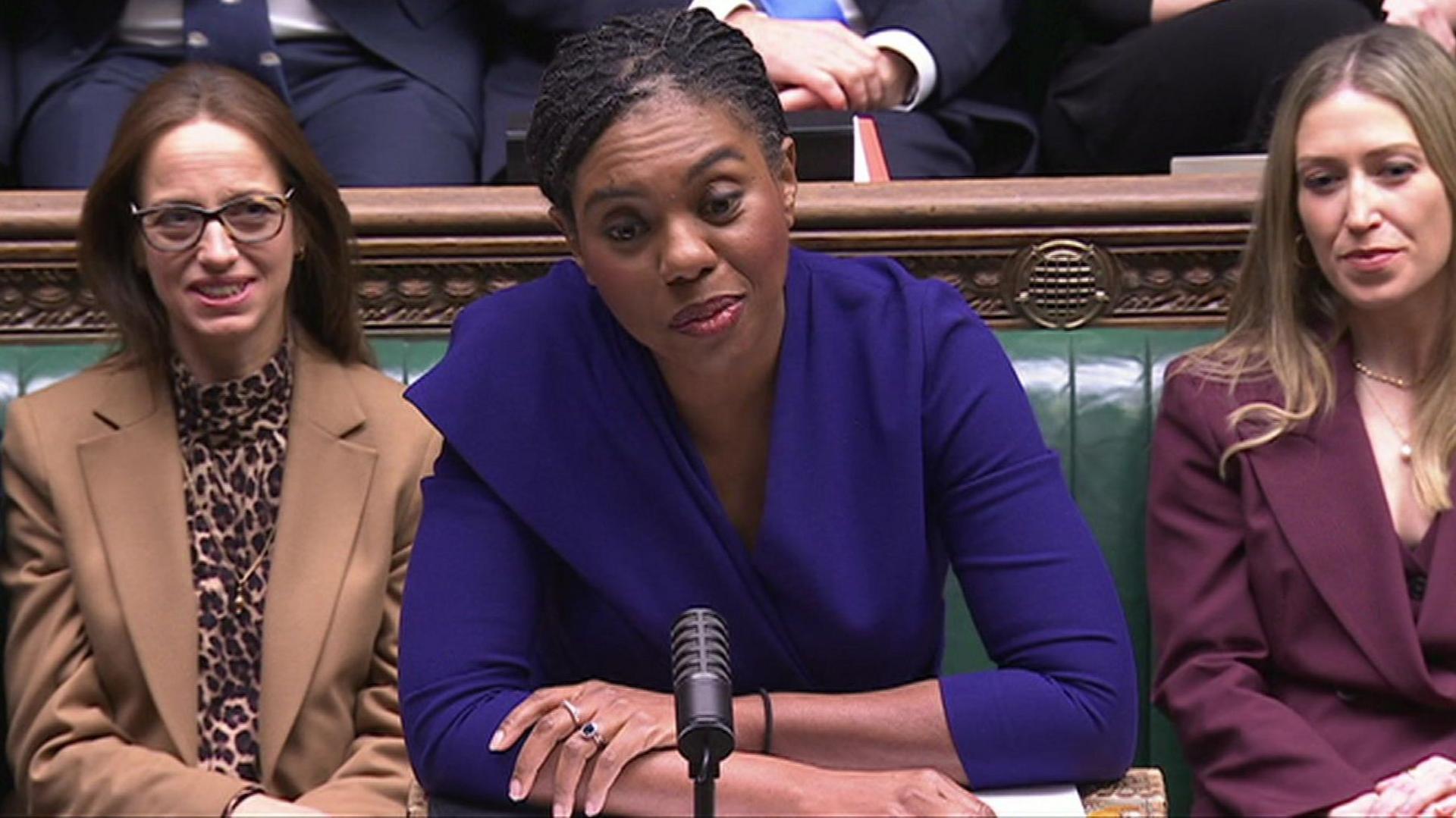
Kemi Badenoch challenged Prime Minister Andy Burnham at Prime Minister's Questions over whether EU students in the UK could pay lower university tuition fees under his deal with the bloc. She asked who would pay if EU and British students were charged the same fees, "cash-strapped universities or cash-strapped taxpayers?"
Burnham said the tuition fees issue is "a separate deal" and that "the deal on tuition fees is not done." He said talks would continue, "always rightfully mindful of the challenges faced by higher education."
Asked whether he would rule out EU students paying the same fees as British students, Burnham said that position was "the European negotiating position, which is not the British negotiating position." He added: "That has not been put on the table. It won't be put on the table."
At a UK-EU summit last Friday, the two sides agreed a deal covering British food exports, emissions trading and a youth travel scheme. A joint statement said they would work toward a "supplementing" agreement on tuition fees for EU students in the UK and British students in the EU, with negotiations concluding within six months.
EU sources had suggested the bloc might delay applying the wider deal until EU students were guaranteed the same fees as British students. The UK has said the wider deal will take effect regardless of whether a tuition fees agreement is reached. Burnham said legislation introduced in Parliament on Thursday would set an implementation date for the food, emissions and youth experience deals.
At present, EU students at UK universities generally pay international fees, which range from £11,400 to £38,000. British undergraduate tuition is capped at £9,790 a year. Universities have warned that capping EU fees at the domestic level could cost hundreds of millions of pounds a year.
When asked whether EU students would not pay domestic fees, Burnham's official spokesman said he would not get ahead of the outcome of ongoing talks.