Net migration to the UK fell to 77,000 in the year to the end of June, according to the Office for National Statistics (ONS). The ONS said it is the lowest recorded estimate since 1997, excluding the coronavirus pandemic.
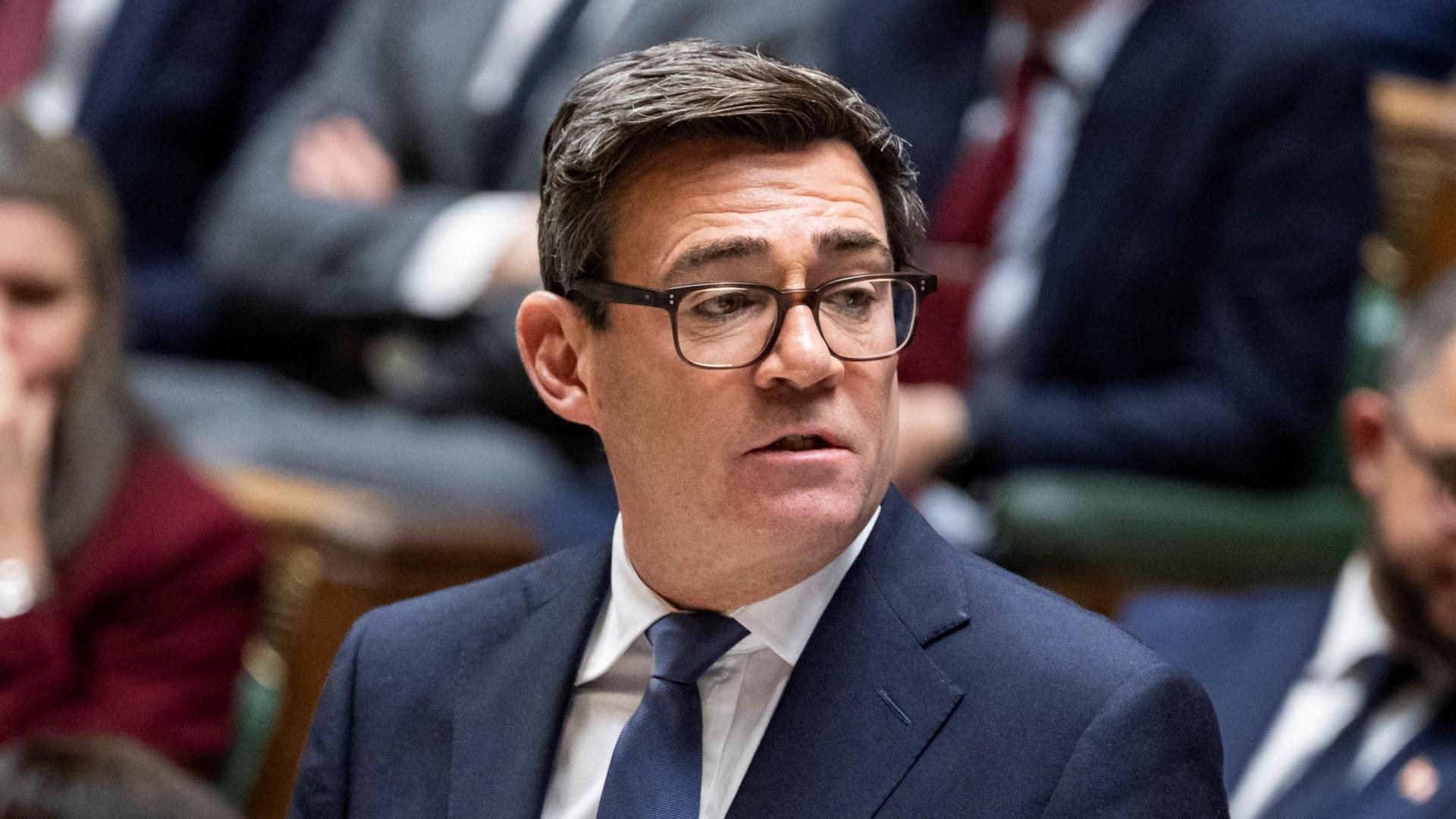
Prime Minister Andy Burnham said he believes there is now a "sufficient degree of control" over net migration. He said the country is "getting into the position that the public has long wanted to see," but added that "I'm not going to say all of the work is done."
The ONS estimated 738,000 people immigrated to the UK in the year to June, while 661,000 emigrated. Net migration was 204,000 in the previous 12 months and peaked at 944,000 in the year to March 2023.
The ONS attributed the fall mainly to lower numbers of people arriving from outside Europe in three categories. Work-related arrivals fell by 45,000, asylum claims fell by 19,000, and student numbers fell by 33,000.
Conservative shadow home secretary Chris Philp said his party should receive credit for the decrease. He said the Conservatives "now need to go even further with an annual legally binding inward migration cap." The Conservatives had said the fall was "mainly a result of changes" they made in government.
Reform UK leader Nigel Farage welcomed the drop but said he was concerned about "a lot of high skilled big tax paying people" leaving the UK. Reform's Treasury spokesman Robert Jenrick said the fall "came about solely because I went to see Rishi Sunak" in 2023. Jenrick told the BBC that he had threatened to resign unless Sunak made changes to the immigration system.
Liberal Democrat spokesman Paul Kohler said Britain "urgently needs a proper immigration plan." A Green Party spokesperson said that "Creating a harsh environment for migrants and asylum seekers is not a measure of success."