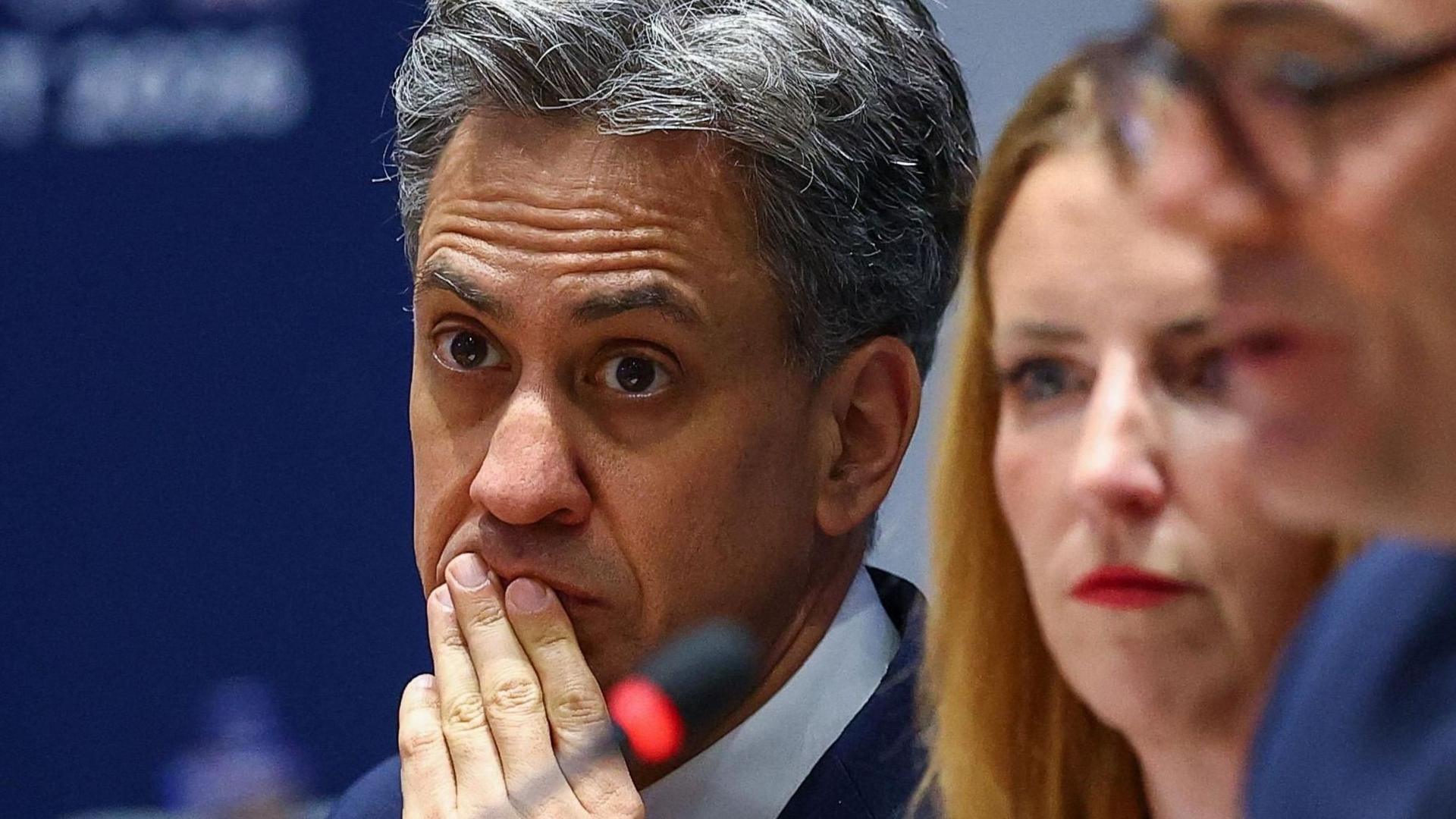
Foreign Secretary Ed Miliband told the BBC that a UK-EU deal agreed in Brussels on Friday will take effect even without a separate tuition fees agreement.
The measures include scrapping most checks on British food exports, in return for the UK following some EU regulations from 2028, and a new youth mobility scheme. A proposal to lower the tuition fees paid by EU students in the UK has not been agreed.
Miliband said it was "absolutely clear" the food, energy and youth mobility agreements would apply. Asked whether they would definitely become law, he said: "Yes, absolutely." He said legislation is being introduced in Parliament.
European Commission President Ursula von der Leyen said she was "confident" a solution on tuition fees would be found. Prime Minister Andy Burnham said "me too" at the press conference.
EU sources had earlier suggested the bloc might hold up the wider deal until EU students paying UK higher education fees was resolved. Miliband did not confirm that position.
Miliband said there would be no cost to UK taxpayers and no new contributions to the EU budget. He said he accepted the 2016 Brexit referendum result but that "the world has changed massively." Asked whether rejoining the EU would be considered, he said "all the options will be on the table."
Burnham described the deal as a "win-win" that could lower the cost of living and reduce red tape. He said the Treasury believes it could boost the UK economy by up to £17bn a year.
Conservative leader Kemi Badenoch said the deal was "not fair," and that she had seen modelling putting the economic effect at "0.0%." Reform UK leader Nigel Farage called it a "betrayal of the British people." Liberal Democrat leader Sir Ed Davey said the deal needs more than "tweaks."
University of Manchester vice chancellor Professor Duncan Ivison said the university sector must address tuition fees. He estimated that allowing EU students to pay domestic fees would take £500m out of higher education.