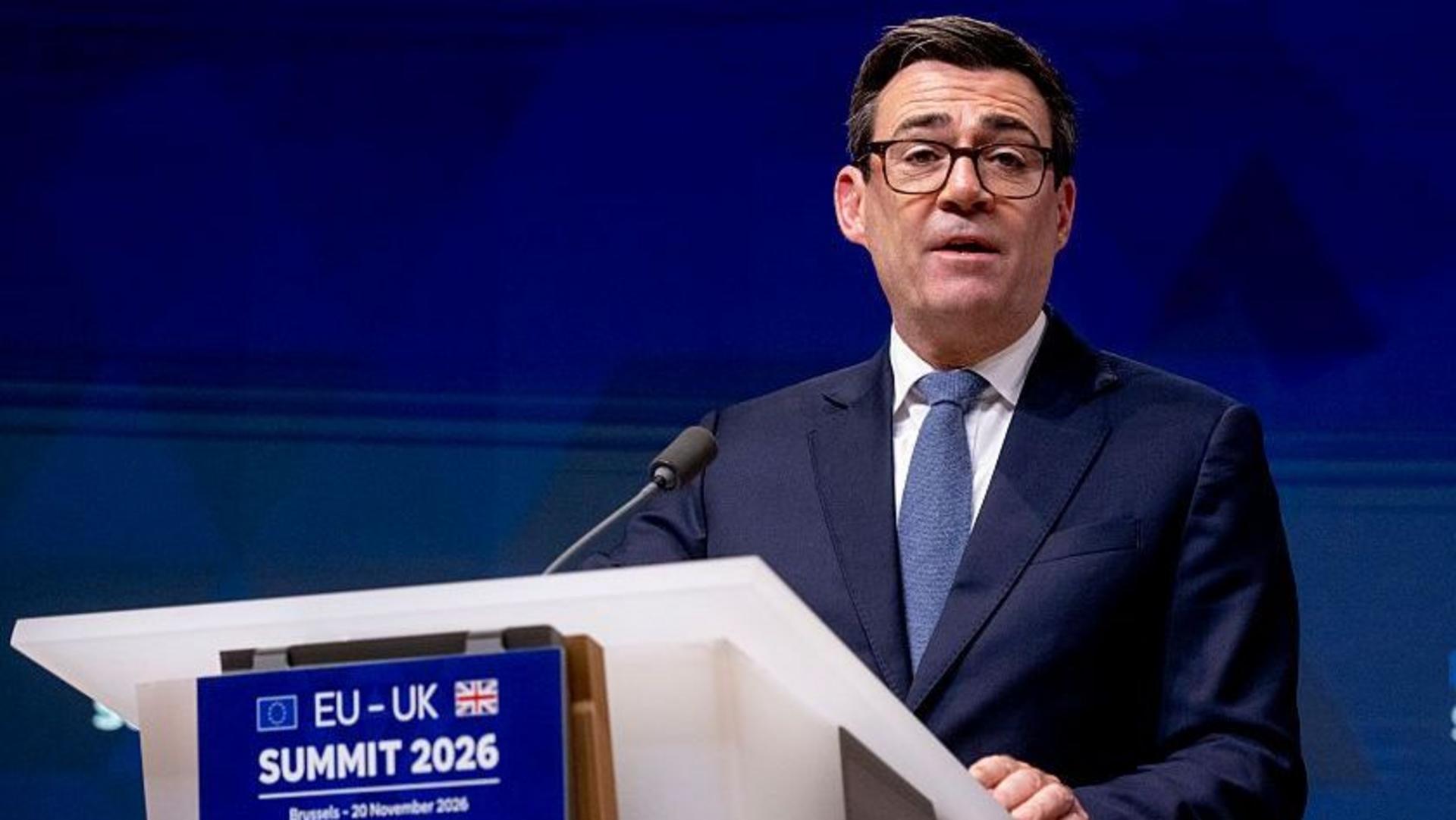
Prime Minister Andy Burnham will tell MPs on Monday that a "landmark" deal with the EU gives the UK a "very real prospect" that the next decade can be "much better" than the last. The deal covers British food exports, emissions trading and a youth experience scheme.
Burnham will describe the agreement as a "choice between a broken status quo or change." He will call it "the single biggest growth measure to be delivered in this parliament," repeating his claim that it could add £17bn to the British economy.
Under the agreements announced on Friday, most checks on British food exports would be scrapped from 2028. In return, the UK would follow some EU regulations. A youth experience scheme, due to launch no later than January 2030, would allow up to 100,000 18 to 31-year-olds from the EU to travel, work and study in the UK for up to three years. The same number of young Britons would be allowed into Europe.
Opposition parties have criticised the plan. The Conservatives say it is unfair because UK farmers would have to follow rules made in Brussels. Conservative leader Kemi Badenoch will tell the CBI annual conference on Monday that Burnham should be "aiming a lot higher" on growth. Reform UK leader Nigel Farage will tell the same conference that closer EU ties would be a "disaster" for British businesses.
Burnham said both sides will hold an informal process to examine options for the UK's long-term relationship with the EU. He said the current deal is "probably the limit of what we can achieve in this Parliament." He has ruled out major changes before the next general election, citing Labour's 2024 manifesto pledge not to rejoin the single market, customs union or accept freedom of movement.
Former prime ministers have responded. Rishi Sunak called the issue "divisive." Theresa May said she was "aghast" at the idea of rejoining the EU and urged Burnham to "accept Brexit and move on." Tony Blair told the Sunday Times Britain should rejoin only if the bloc reforms and allows more innovation in technology.